Stars
2024 Total Solar Eclipse
4/8/24 - 9:31pm
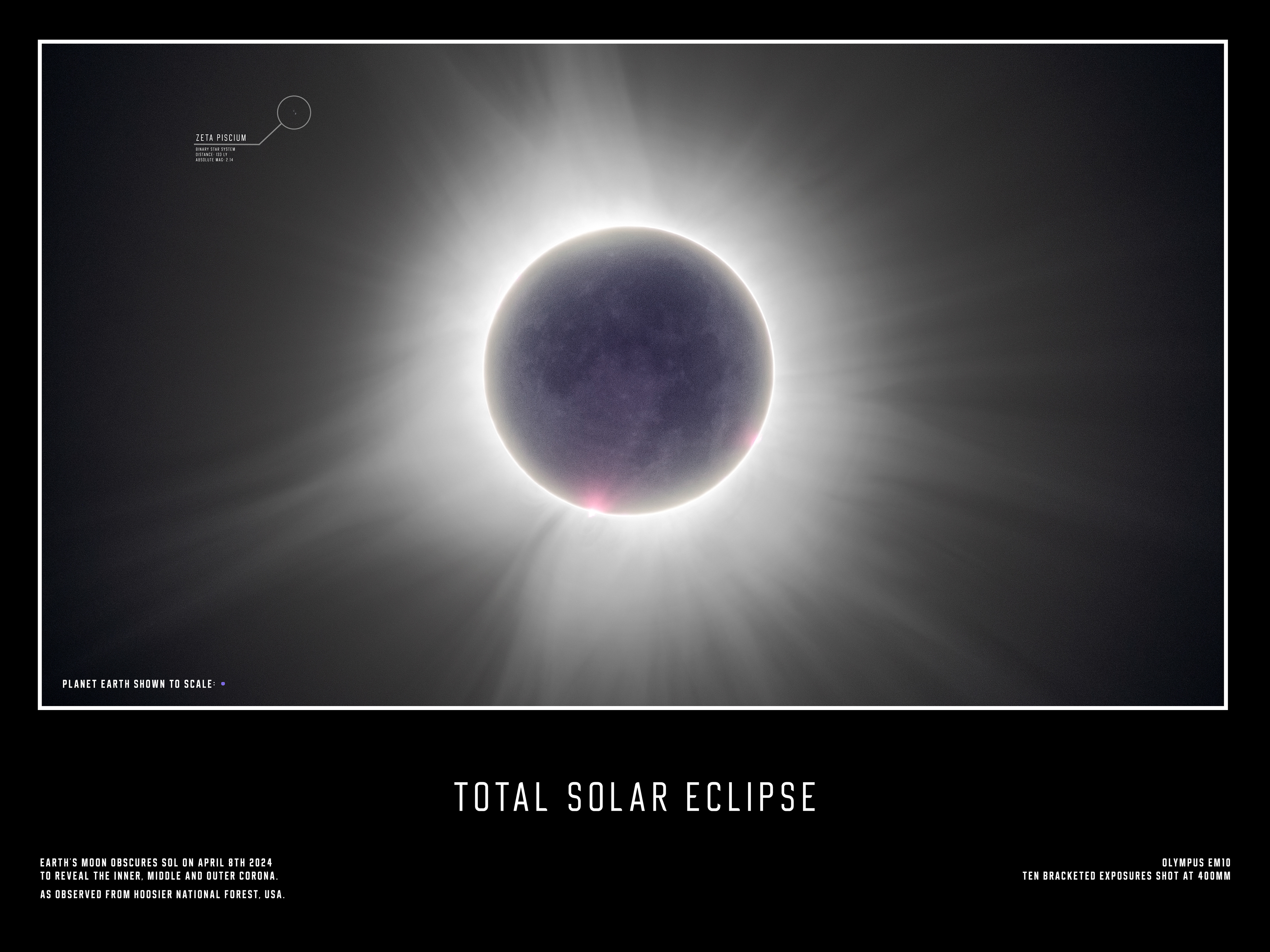
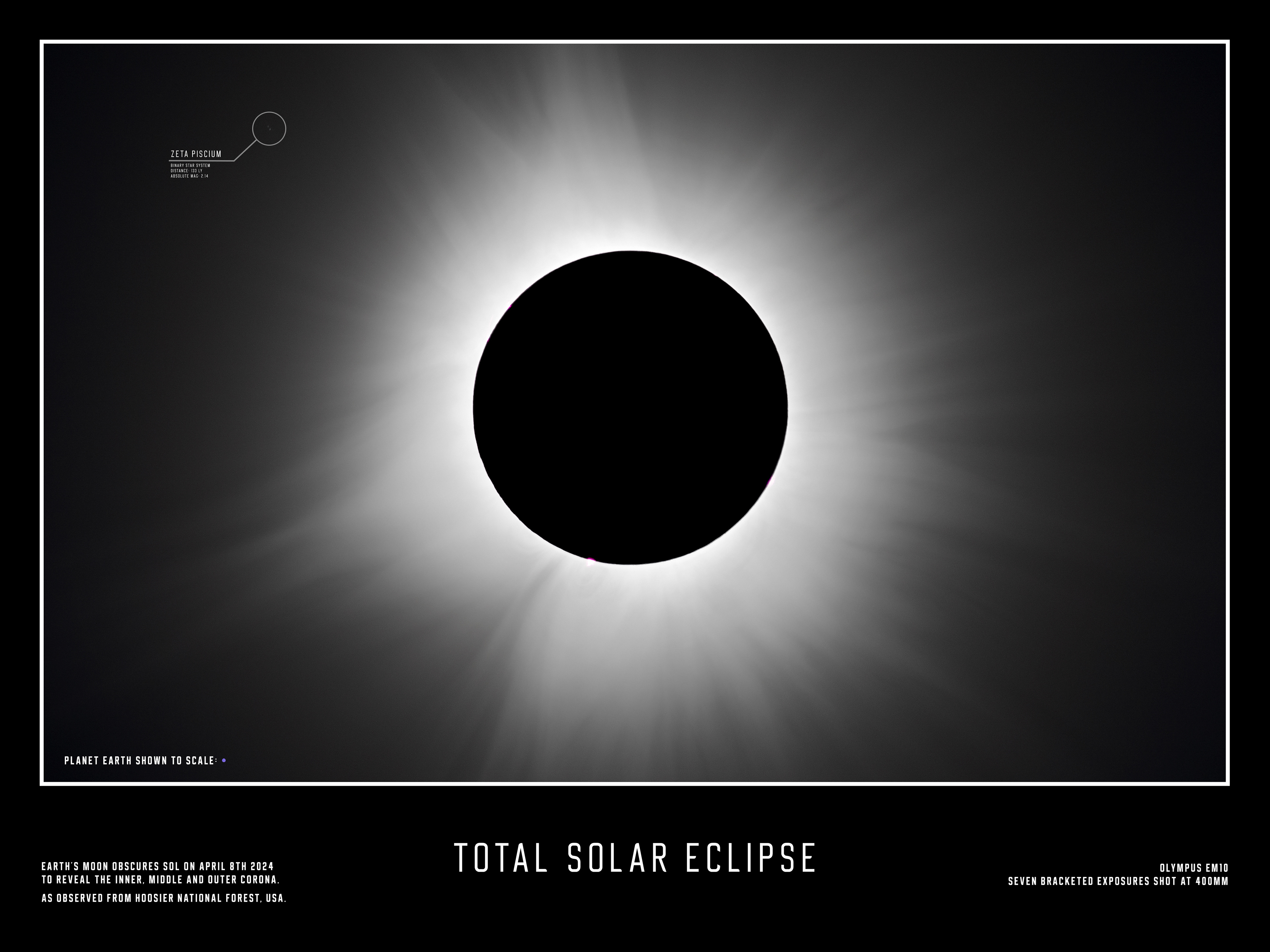
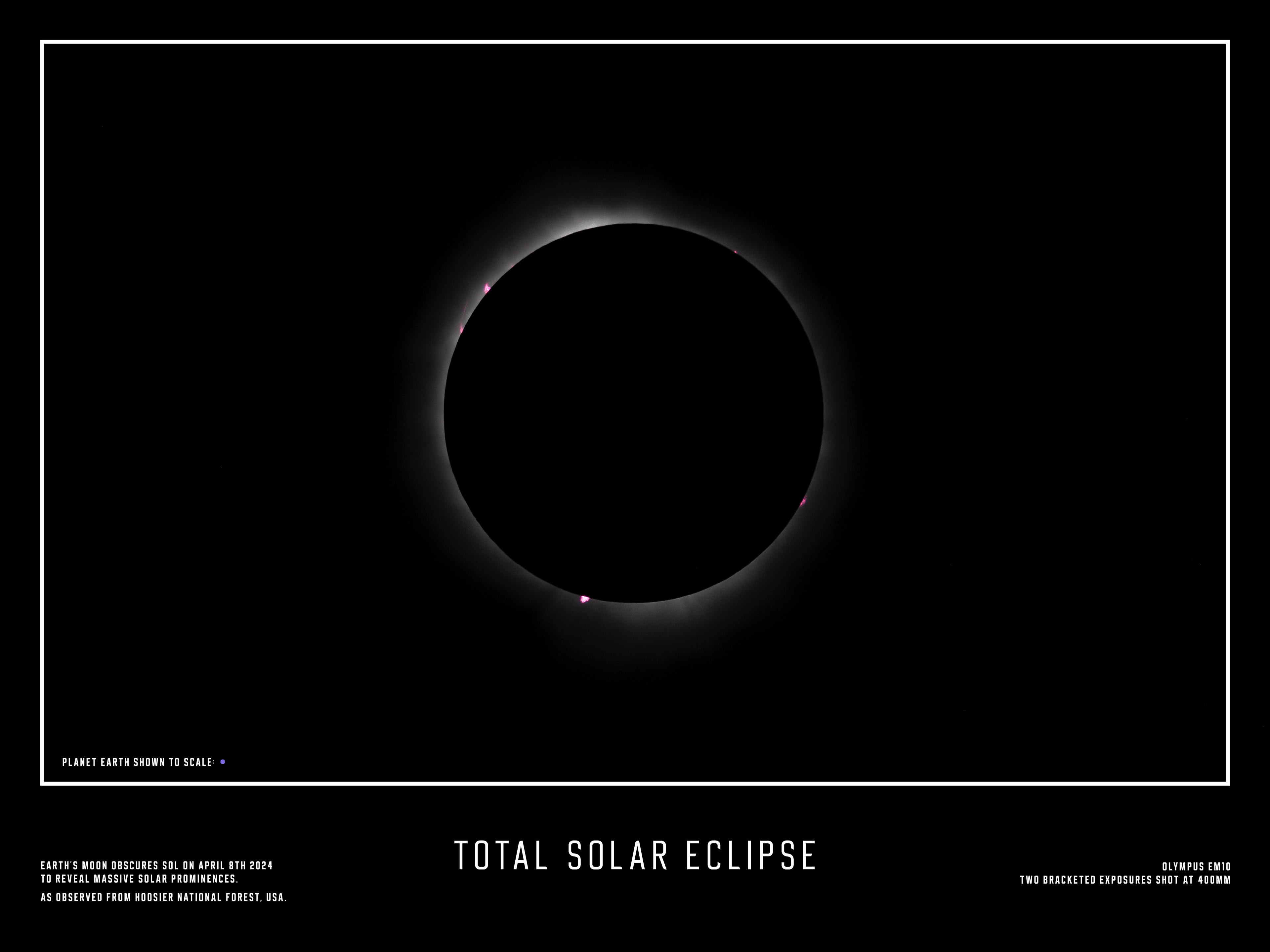
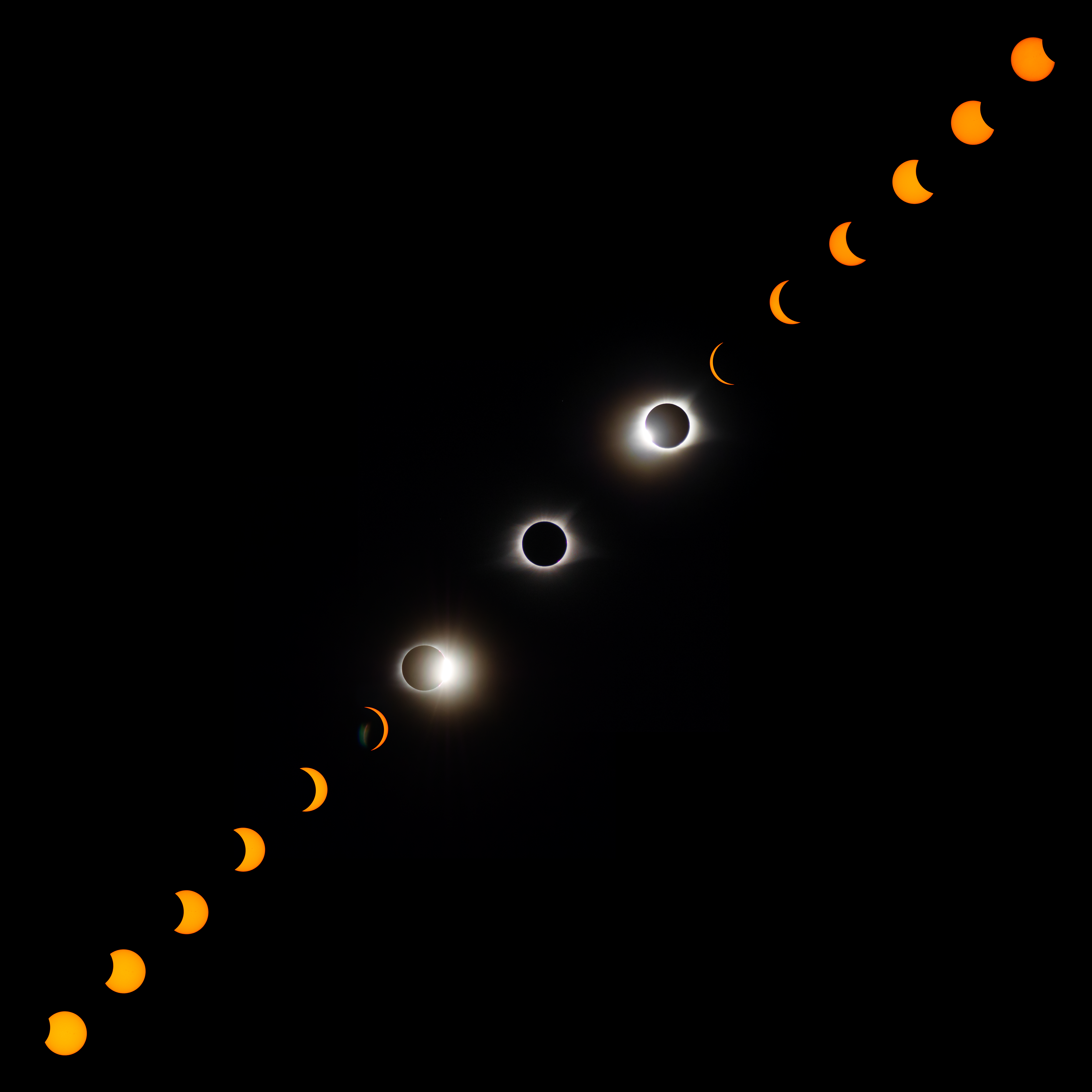
My heart raced as the wind picked up. The birds had gone silent. I grabbed my notebook and flipped to the page with my exposure calculations, tried to memorize them. I looked up at the sky. I could hardly see the sun anymore. I took the solar glasses off and allowed myself a glance with my naked eye. And I saw it. Just a flash behind the star burn in my retina.
A phantom. The black circle. A diamond ring.
I shivered. The wind blew stronger. I felt in my chest a throbbing. My hands shook at the controls of the camera. Another gust of wind. And then a plummet in the sky. An instant sinking of light. I looked up. Cosmological alignment. I felt the planet lock itself into place. A perfectly black, golden crown of fire hung in the sky. My voice faltered and tears stung my eyes. I wanted to scream. Some ancient, primordial survival instincts begged me to run, to lose my mind. Because what I was seeing was not supposed to be. Reality had changed. Become strange. Became more beautiful and awesome than thought possible.
In my panic, I turned to my camera but I forgot how to use it. This tool that I could operate in my sleep had become foreign to me. I checked my notebook again, slowly adjusted the controls, aware of the presence of God looming above me. Were there stars? Did the glowing crown cast shadows? I had no idea. My mind felt crumbled. I fired off the shots, one by one. The southern horizon glowed yellow like dusk. The water over the lake had become still. My face felt like it was burning, my heart was still racing. I felt suspended in breath. And then another crack of light! The other side of the cosmic diamond ring split the sky. Blinding starlight splintered down. I fumbled with my camera again, forgetting to put the solar filter back on. I heard screaming, cheering, roaring from the people around me. I looked up again and the glowing crown was gone. The alien spacecraft. The rift in space time. The most perfect form of black I’ve ever seen. The most perfect circle. Gone. Like it never happened. The sun had returned.
My heart raced as the wind picked up. The birds had gone silent. I grabbed my notebook and flipped to the page with my exposure calculations, tried to memorize them. I looked up at the sky. I could hardly see the sun anymore. I took the solar glasses off and allowed myself a glance with my naked eye. And I saw it. Just a flash behind the star burn in my retina.
A phantom. The black circle. A diamond ring.
I shivered. The wind blew stronger. I felt in my chest a throbbing. My hands shook at the controls of the camera. Another gust of wind. And then a plummet in the sky. An instant sinking of light. I looked up. Cosmological alignment. I felt the planet lock itself into place. A perfectly black, golden crown of fire hung in the sky. My voice faltered and tears stung my eyes. I wanted to scream. Some ancient, primordial survival instincts begged me to run, to lose my mind. Because what I was seeing was not supposed to be. Reality had changed. Become strange. Became more beautiful and awesome than thought possible.
In my panic, I turned to my camera but I forgot how to use it. This tool that I could operate in my sleep had become foreign to me. I checked my notebook again, slowly adjusted the controls, aware of the presence of God looming above me. Were there stars? Did the glowing crown cast shadows? I had no idea. My mind felt crumbled. I fired off the shots, one by one. The southern horizon glowed yellow like dusk. The water over the lake had become still. My face felt like it was burning, my heart was still racing. I felt suspended in breath. And then another crack of light! The other side of the cosmic diamond ring split the sky. Blinding starlight splintered down. I fumbled with my camera again, forgetting to put the solar filter back on. I heard screaming, cheering, roaring from the people around me. I looked up again and the glowing crown was gone. The alien spacecraft. The rift in space time. The most perfect form of black I’ve ever seen. The most perfect circle. Gone. Like it never happened. The sun had returned.
Luna
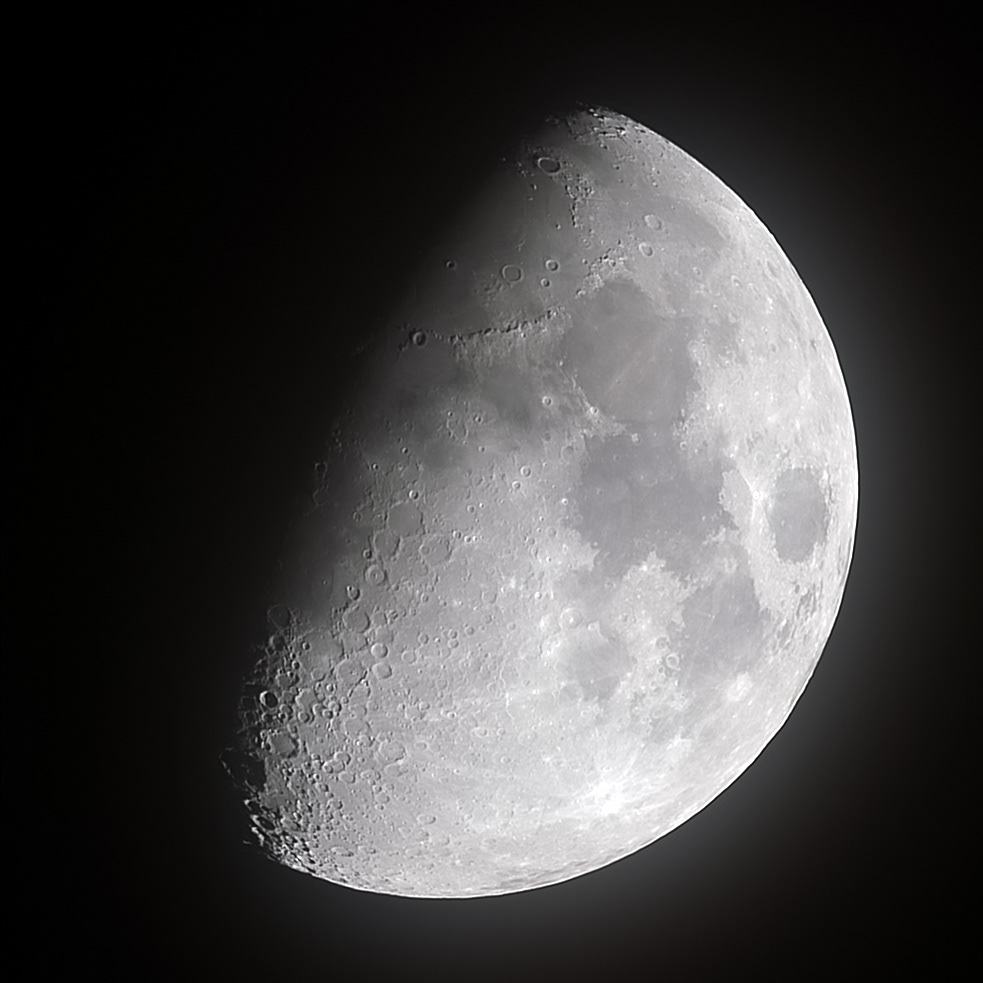
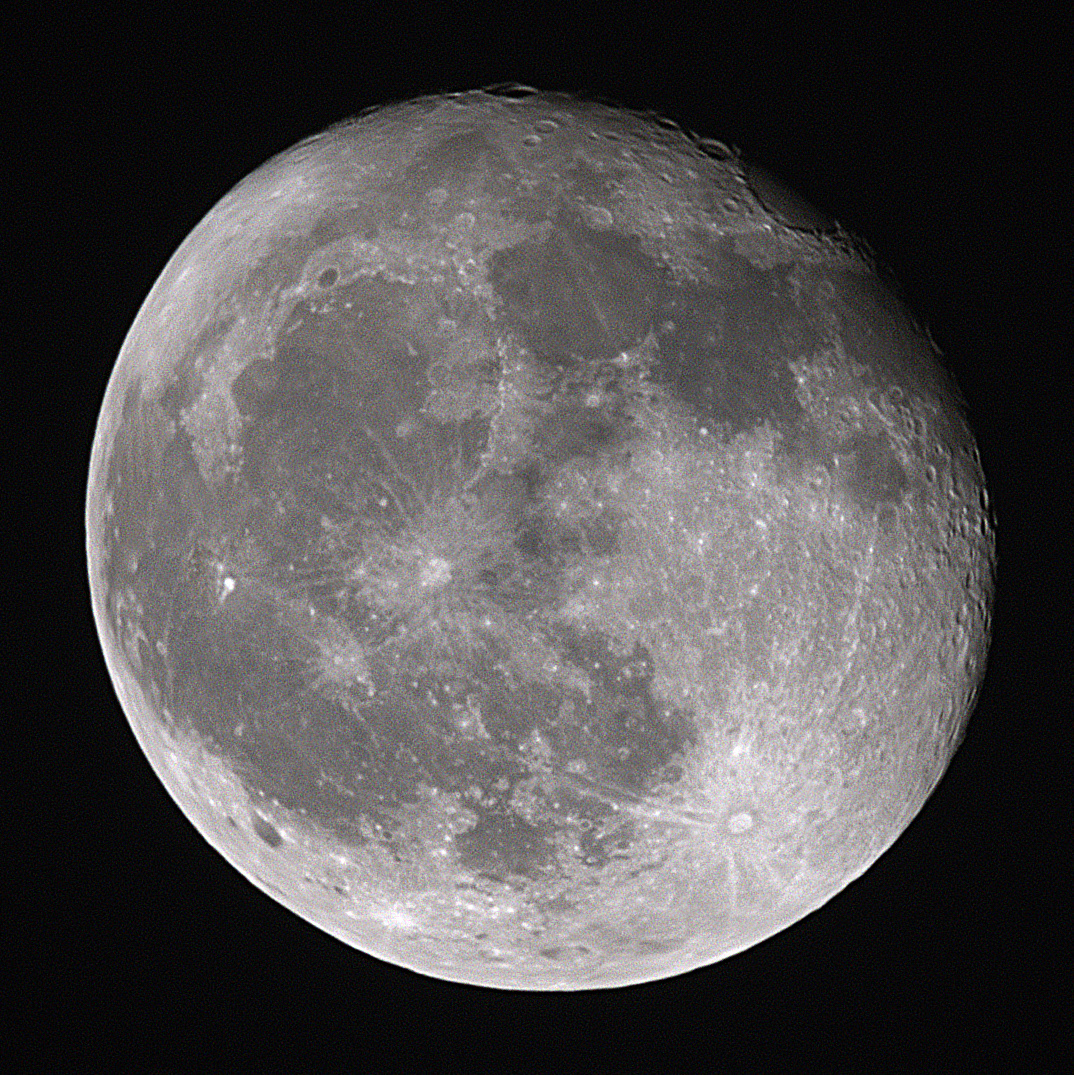
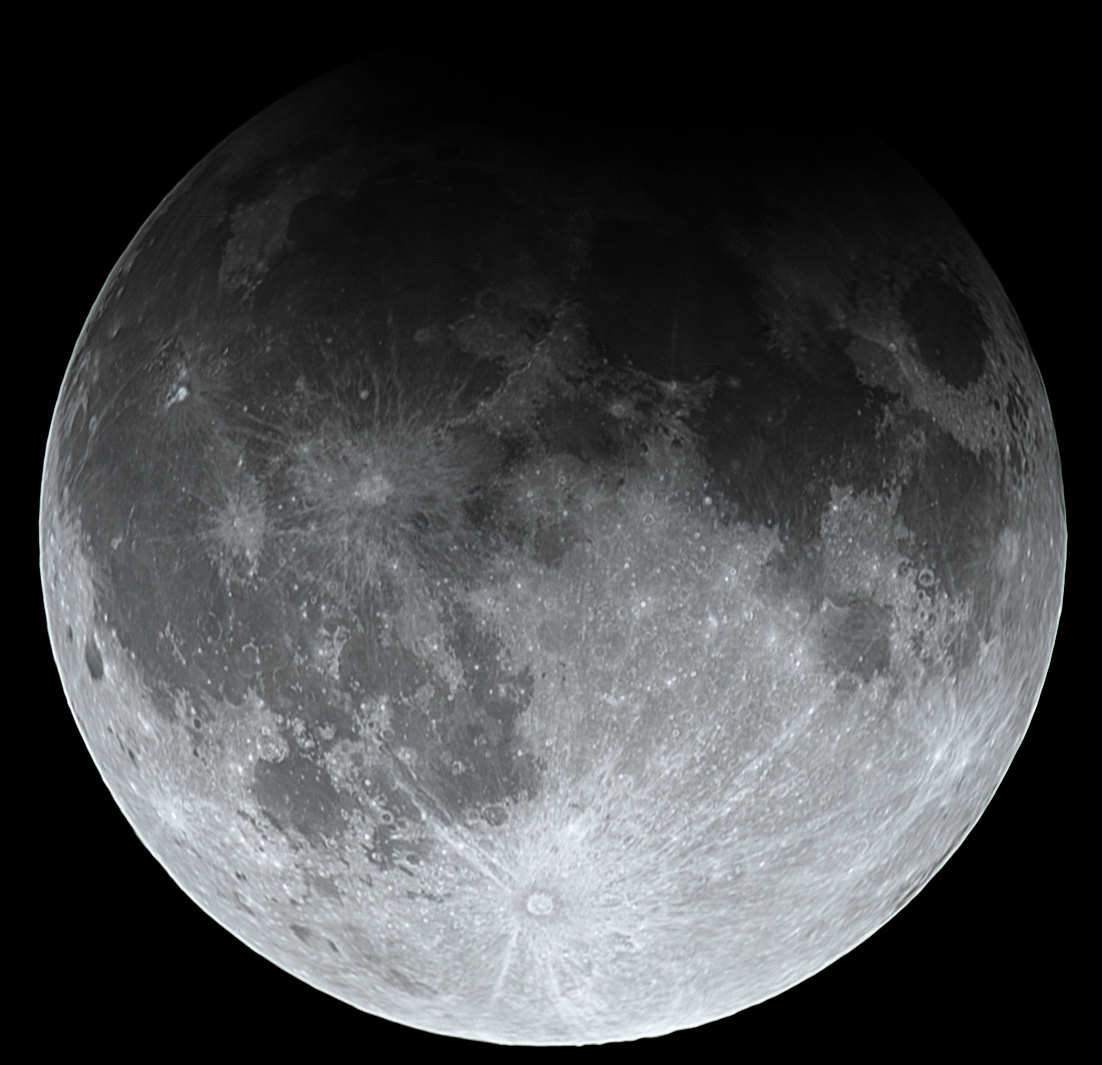
A few photos of our lovely moon, or ‘Luna’, as goes the Latin personification for our singular natural satellite.
Around April/May of this year, I was just trying to figure out ways of justifying my owning of such an enormous 400mm lens (800mm full frame equivalent). Photographing the moon in high detail seemed like a good project. These images are composed of multiple “data” frames that have been stacked together using a few different astrophotography softwares.
Each image was compiled using frames stripped from a 4K video of the moon that I shot through my bedroom window using the Panasonic G7. Lots was learned with each moon composite I made. All these other images consist of a few thousand “photos” taken with my usual Olympus, as compared to the thousands for the first two images. The last image was of the Lunar Eclipse on 9/17/2024.
Something sort of interesting about these photos is that, if you look closely at the giant starburst crater at the bottom (named Tycho), you’ll notice that it’s in slightly different positions, meaning that the positioning of the moon (or Earth) is slightly different. Why? Um, no idea. I was thinking maybe something to do with Earth’s wobble but now I don’t know. It could also simply be the way that the software aligned the images. Oh well. Just a cool detail. Orbiting mechanics is one of the most insane things in the universe, to me at least. It’s like everything out there in space is set to a mechanical clock with set positions at set times. Like the forward march of time, there is no escape from it.
Around April/May of this year, I was just trying to figure out ways of justifying my owning of such an enormous 400mm lens (800mm full frame equivalent). Photographing the moon in high detail seemed like a good project. These images are composed of multiple “data” frames that have been stacked together using a few different astrophotography softwares.
Each image was compiled using frames stripped from a 4K video of the moon that I shot through my bedroom window using the Panasonic G7. Lots was learned with each moon composite I made. All these other images consist of a few thousand “photos” taken with my usual Olympus, as compared to the thousands for the first two images. The last image was of the Lunar Eclipse on 9/17/2024.
Something sort of interesting about these photos is that, if you look closely at the giant starburst crater at the bottom (named Tycho), you’ll notice that it’s in slightly different positions, meaning that the positioning of the moon (or Earth) is slightly different. Why? Um, no idea. I was thinking maybe something to do with Earth’s wobble but now I don’t know. It could also simply be the way that the software aligned the images. Oh well. Just a cool detail. Orbiting mechanics is one of the most insane things in the universe, to me at least. It’s like everything out there in space is set to a mechanical clock with set positions at set times. Like the forward march of time, there is no escape from it.
Sol
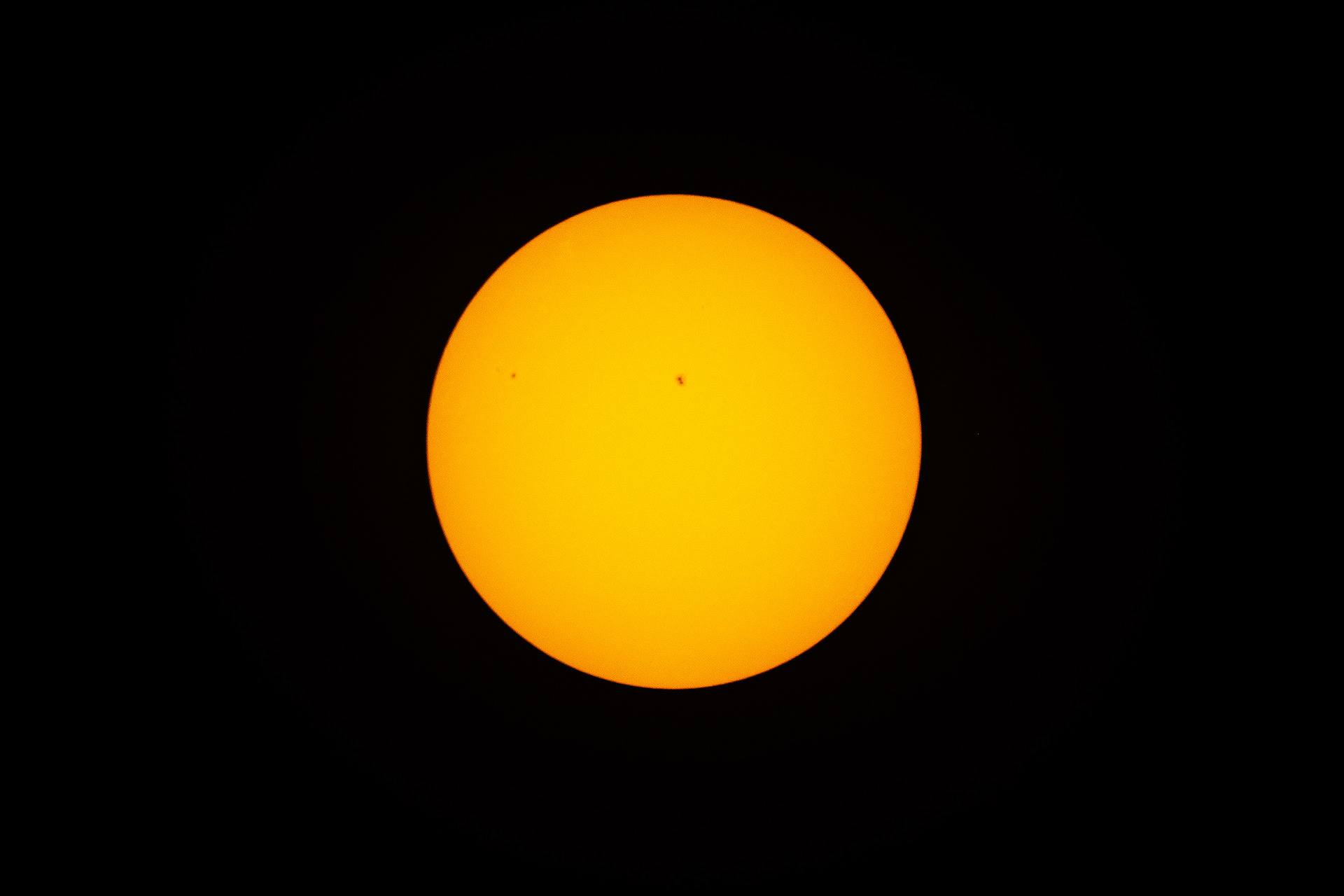
A few more images of our lovely sun, or ‘Sol’, the Latin personification for our star. This is the object in all of the vast universe that has provided us with the chance at life.
With unaided human eyes, you could see the sun from forty light years away. Within just twenty-five light years of Sol, it is estimated that there are between 250 to 1000 other stars. Within fifty light years? No one really knows. There are 133 stars visible to the naked eye within that volume, but those account for just 10% of the stars that are probably there. Assuming that, with a volume of 500,000 cubic light years, there could be anywhere from 2000 to 8000 other stars. We are just one of many. And of all those stars, how many might hold life? The answer is almost certainly zero. Worshipping the sun is starting to make sense to me…
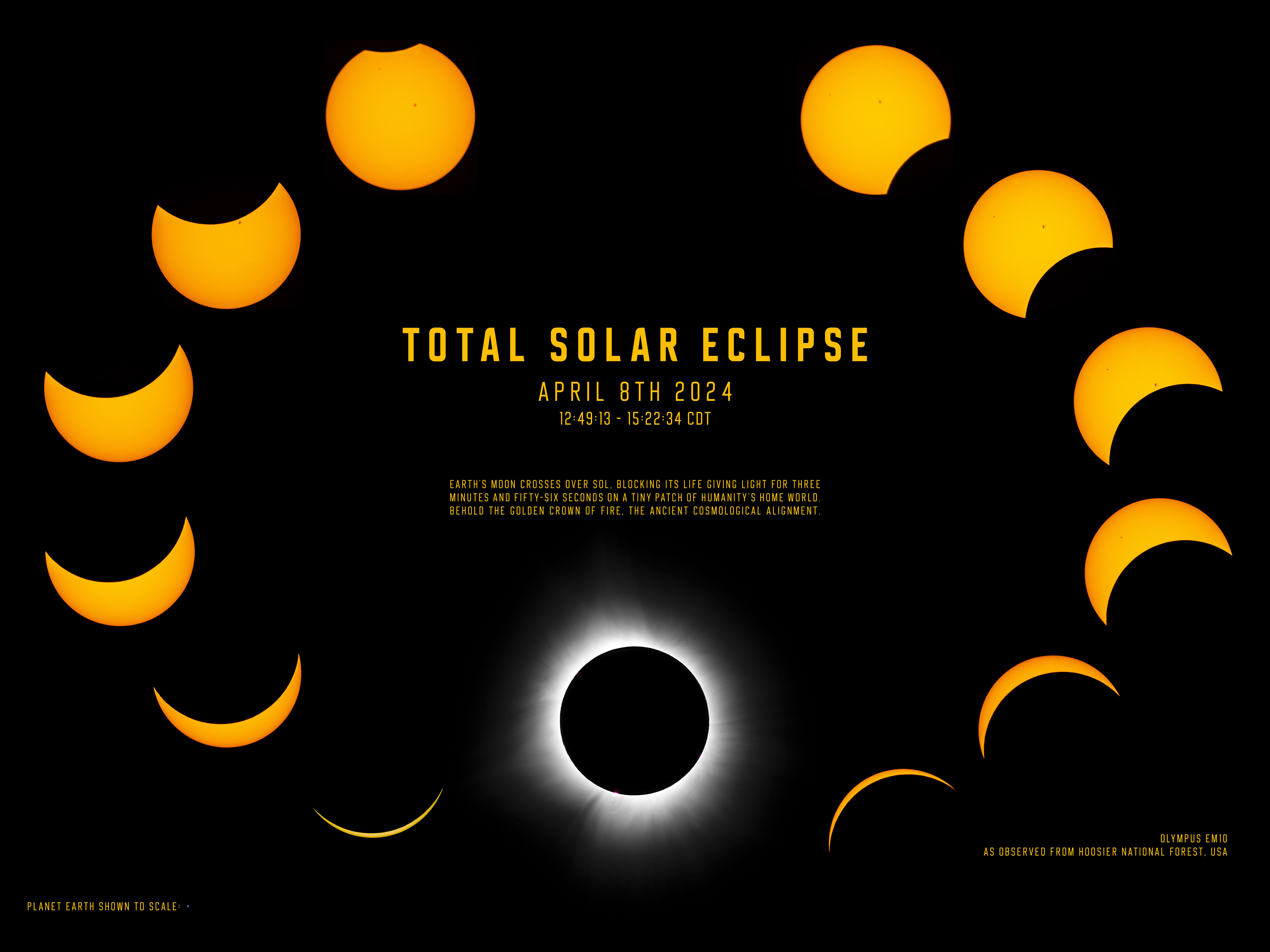
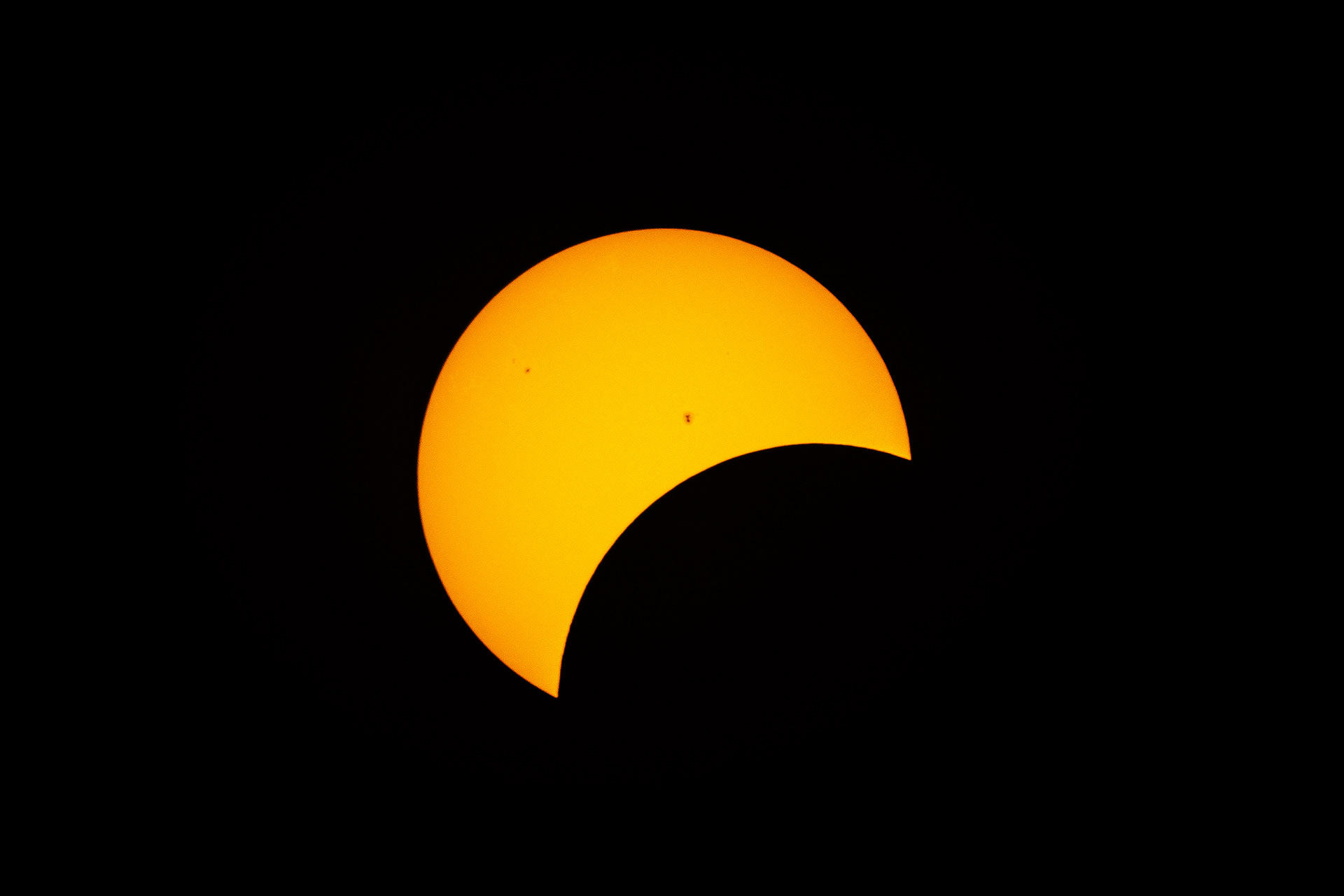
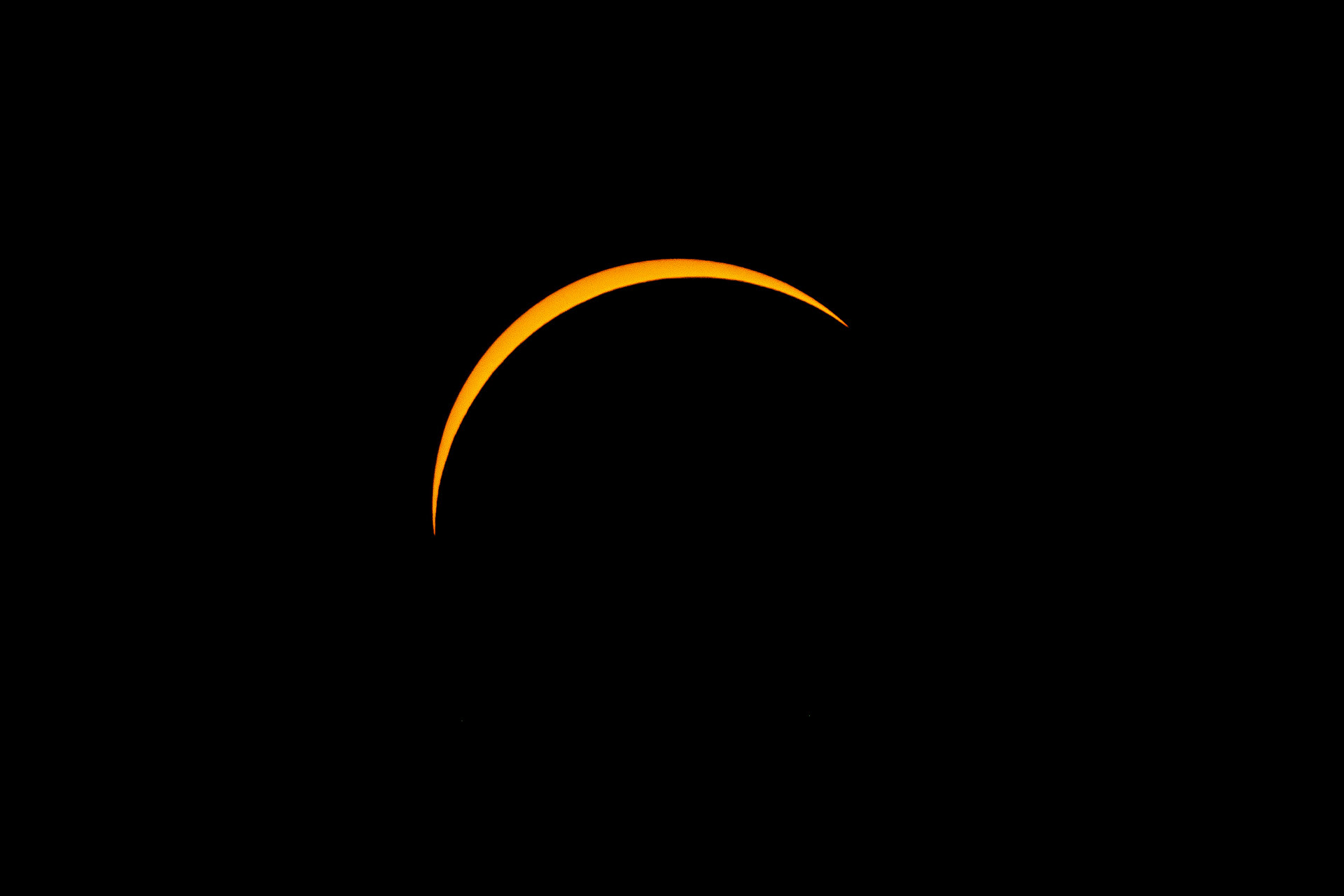
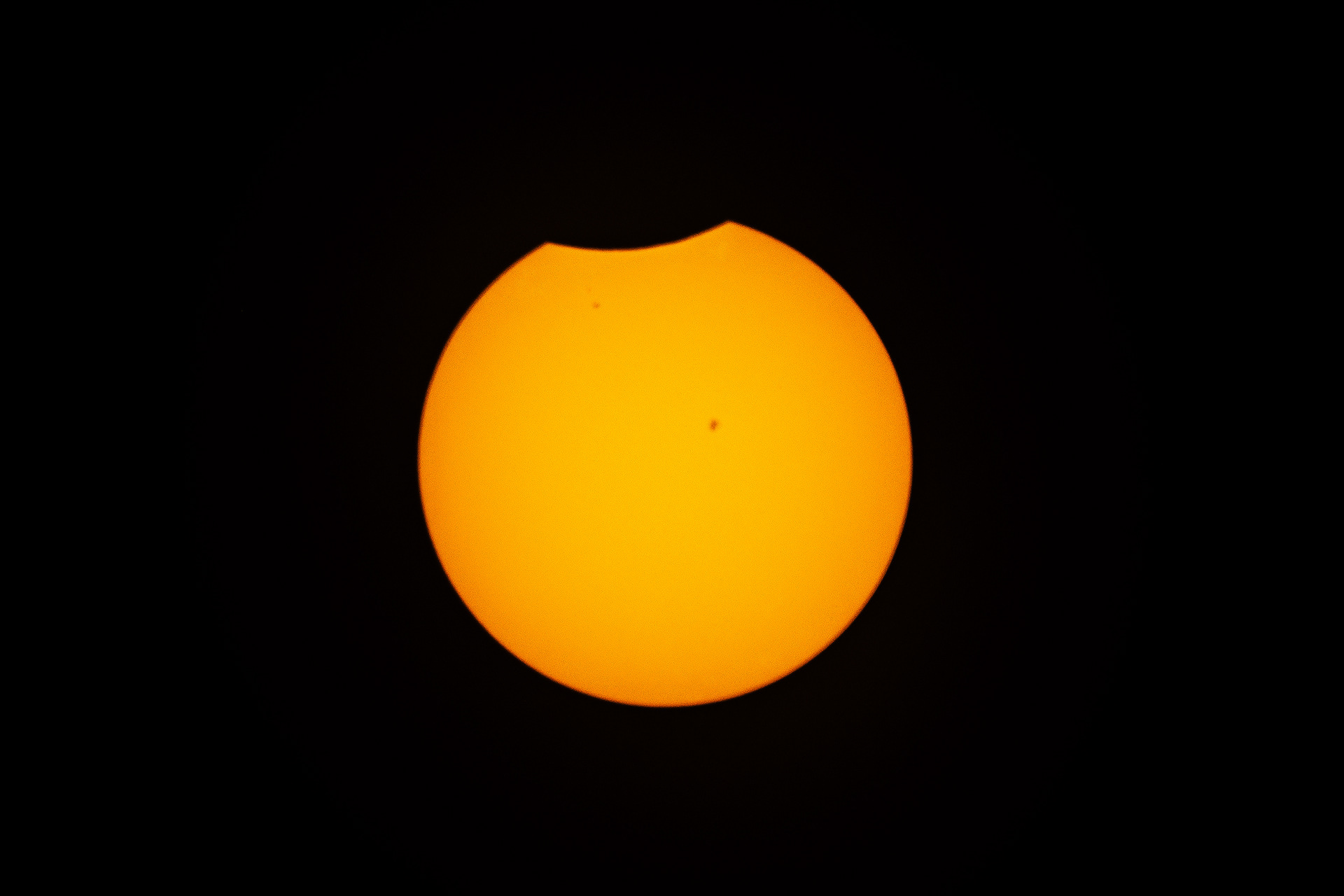
These images were captured on April 8th 2024 during the eclipse. The animations at the end of this post are timelapses of the shots I was taking every five minutes. In the first video (and a little in the second), the sun’s disc is rotating clockwise as the moon covers it. I’m not exactly sure why this is. I think it’s more likely the effect of Earth’s rotation rather than that of the sun’s. Unfortunately, my camera somehow lost focus at the end of the eclipse, which is why the end of the second video is a bit blurry.
The black spots are called sun spots. They are regions of cooler temperatures caused by strong concentrations of magnetic flux and are only temporary on the sun’s surface. If you zoom in, you’ll see that there are actually two spots right next to each other. Each spot represents opposite magnetic polarity, like a magnet. There has been a lot of solar activity this year (aurora in Chicago, for example) and this is why so many photographers were able to capture the enormous plasma “flames” emitting from the side of the sun. These prominences, as pictured in my previous posts, are many, many times larger than the entire Planet Earth. The mechanisms of these events are not fully understood and are still being researched. A few years ago, humanity sent a probe named Parker to the sun. Its purpose is to study these phenomena.
With unaided human eyes, you could see the sun from forty light years away. Within just twenty-five light years of Sol, it is estimated that there are between 250 to 1000 other stars. Within fifty light years? No one really knows. There are 133 stars visible to the naked eye within that volume, but those account for just 10% of the stars that are probably there. Assuming that, with a volume of 500,000 cubic light years, there could be anywhere from 2000 to 8000 other stars. We are just one of many. And of all those stars, how many might hold life? The answer is almost certainly zero. Worshipping the sun is starting to make sense to me…
These images were captured on April 8th 2024 during the eclipse. The animations at the end of this post are timelapses of the shots I was taking every five minutes. In the first video (and a little in the second), the sun’s disc is rotating clockwise as the moon covers it. I’m not exactly sure why this is. I think it’s more likely the effect of Earth’s rotation rather than that of the sun’s. Unfortunately, my camera somehow lost focus at the end of the eclipse, which is why the end of the second video is a bit blurry.
The black spots are called sun spots. They are regions of cooler temperatures caused by strong concentrations of magnetic flux and are only temporary on the sun’s surface. If you zoom in, you’ll see that there are actually two spots right next to each other. Each spot represents opposite magnetic polarity, like a magnet. There has been a lot of solar activity this year (aurora in Chicago, for example) and this is why so many photographers were able to capture the enormous plasma “flames” emitting from the side of the sun. These prominences, as pictured in my previous posts, are many, many times larger than the entire Planet Earth. The mechanisms of these events are not fully understood and are still being researched. A few years ago, humanity sent a probe named Parker to the sun. Its purpose is to study these phenomena.
2017 Total Solar Eclipse
Saturn & Jupiter
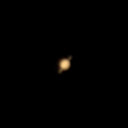
Left: Saturn at 800mm. September 10th, 2024, Chicago.
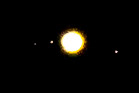
Right: Callisto, Io, Jupiter & Europa at 300mm. June 28th, 2019, Wisconsin.